



motorized rolling mill
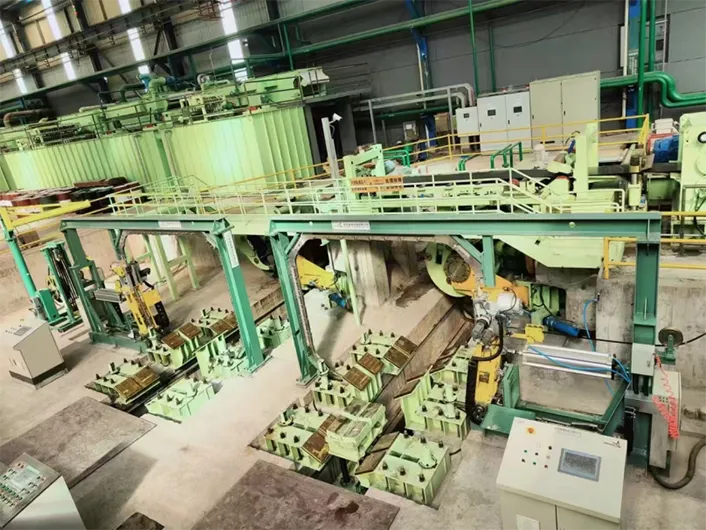
Reversible Rolling Mill is a key solution in the manufacturing industry, specifically within Metallurgical equipment manufacturing and Manufacturing of steel rolling equipment. This article explores how Beijing Yang Wang Li Xin Sci&Tech Co.,Ltd. supports professionals with durable, high-performance products, and explains why this product is an ideal choice for businesses in these sectors. Table of Contents Reversible Rolling Mill Overview Benefits & Use Cases of Reversible Rolling Mill in Manufacturing of steel rolling equipment Cost, Maintenance & User Experience Sustainability & Market Trends in manufacturing Conclusion on Reversible Rolling Mill from Beijing Yang Wang Li Xin Sci&Tech Co.,Ltd. Reversible Rolling Mill Overview A Reversible Rolling Mill is a single-stand mill where the strip or plate passes back and forth through the rolls, progressively reducing thickness to the target gauge. It is widely used across hot and cold applications—serving as a compact, flexible alternative to tandem lines in a hot strip steel mill and as a precision workhorse in a cold rolling mill. Typical configurations include 4‑high and 6‑high stands with AGC/AFC, hydraulic gap control, work‑roll bending, coolant/emulsion systems, and high‑response drives. Depending on specification, mills routinely handle widths of 600–1,600 mm and reduce entry gauges from several millimeters down to sub‑millimeter cold‑rolled products, with tight thickness and flatness tolerances suitable for automotive, appliance, and general engineering steels. Beijing Yang Wang Li Xin Sci&Tech Co.,Ltd. designs and supplies integrated hot and cold rolling production lines with engineering, automation, commissioning, and lifecycle support. For B2B decision makers, that means a single accountable partner from concept to ramp‑up. The company’s solutions are built around production stability, fast grade changes, and digital quality control—enabling mills to meet demanding delivery schedules while maintaining consistent mechanical properties and surface quality. Benefits & Use Cases of Reversible Rolling Mill in Manufacturing of steel rolling equipment In Manufacturing of steel rolling equipment, a Reversible Rolling Mill is the go‑to choice for short to medium coil campaigns, product development, and niche grades. It integrates seamlessly with upstream pickling and downstream annealing or tension leveling lines in a cold rolling mill, and supports plate/strip finishing or breakdown passes in a hot strip steel mill. Key features include high‑precision AGC for tight gauge, automatic flatness control for crown/shape, quick work‑roll change, and advanced threading/tail‑out automation for safe, repeatable operations. Compared with multi‑stand tandem mills, a reversible configuration offers lower CAPEX, smaller footprint, and superior flexibility for frequent grade and width changes—ideal for service centers and producers targeting diversified order books. Applications: carbon and low‑alloy steels, IF steels, appliance sheet, structural strip, and R&D trials for AHSS. Competitive advantages: lower changeover loss, excellent gauge/shape, and compatibility with smart drives and Level‑2 models. Expertise: Beijing Yang Wang Li Xin Sci&Tech Co.,Ltd. delivers custom mechanical and automation packages aligned to target product mix and OEE goals. Cost, Maintenance & User Experience Total cost of ownership for a Reversible Rolling Mill is driven by CAPEX, energy per ton, roll consumption, and line availability. Relative to tandem solutions, many buyers realize a substantially lower initial investment and faster deployment while achieving competitive unit costs on small and mid‑batch production. With high‑efficiency motors, regenerative drives, and optimized coolant systems, energy intensity can be reduced versus older installations. When utilization is planned effectively, ROI windows of roughly 18–36 months are commonly targeted for brownfield upgrades and greenfield niche capacity, depending on product mix and local energy costs. Maintenance is streamlined thanks to a single stand: fewer gearboxes and spindles than multi‑stand lines, simplified spare strategies, and faster roll changes—often achievable within 20–40 minutes with quick‑change tooling. Condition monitoring for bearings, hydraulic systems, and drives supports predictive maintenance, minimizing unplanned downtime. Customers in metallurgical equipment manufacturing consistently value operator‑friendly HMIs, recipe management, and Level‑2 pass scheduling; these tools help cut coil‑to‑coil changeover time and reduce rework and scrap by measurable margins, supporting higher OEE and more reliable deliveries. Sustainability & Market Trends in manufacturing Steelmakers are aligning with decarbonization roadmaps, stricter efficiency standards, and traceability requirements. Modern reversible mills support these goals with regenerative braking, high‑efficiency drives, heat‑loss reduction, and closed‑loop coolant and filtration to minimize effluent. As order profiles shift toward shorter runs and higher‑value grades, flexible assets that maintain tight gauge/flatness while minimizing startup scrap become strategic. Digital twins and AI‑assisted set‑ups are accelerating first‑coil quality, while remote diagnostics improve uptime without excess travel emissions. Beijing Yang Wang Li Xin Sci&Tech Co.,Ltd. takes an eco‑conscious, forward‑looking approach—engineering Reversible Rolling Mill solutions with energy‑saving drives, efficient hydraulics, fume capture, and emulsion management. The company’s automation architecture enables data logging and quality analytics, supporting ISO and regulatory reporting. This combination of sustainability, digital capability, and robust mechanics helps manufacturers meet environmental targets while maintaining the throughput and quality demanded by today’s market. Conclusion on Reversible Rolling Mill from Beijing Yang Wang Li Xin Sci&Tech Co.,Ltd. For B2B decision makers in manufacturing and metallurgical equipment manufacturing, a Reversible Rolling Mill offers the ideal balance of flexibility, precision, and capital efficiency. It complements both hot strip steel mill and cold rolling mill setups, enabling fast product changes and consistent quality. Beijing Yang Wang Li Xin Sci&Tech Co.,Ltd. stands out with dependable engineering, integrated automation, and lifecycle service that maximize uptime and ROI. Partner with a proven supplier to future‑proof your rolling capacity and quality benchmarks. Contact us: email: Alley.wang@bjywlx.com Visit our website: https://www.bjywlx.com

We have successfully executed over 500
projects around the world,
many first-of-their-kind
research projects and products in China, including
We have successfully executed over 500
projects around the world,
many first-of-their-kind
research projects and products in China, including
-
2004
The 1st hydraulic AGC system for hot rolling of ribbon steel
-
2006
The 1st AFC system used for 1450mm skin pass mill
-
2009
The 1st 5-stand tandem line with 2-stand POR & Uncoiler for 650mm ribbon steel
-
2012
The 1st reversing mill for 1380mm strip
-
2016
The 1st soft-rolling system used in skin pass mill
-
2019
The 1st fully automated medium-width tandem cold rolling mill
-
2021
The 1st 5000KN Twin-stand double skin pass mill
-
2022
The 1st coupled pickling line & tandem cold mill with two modes - big roller & small roller
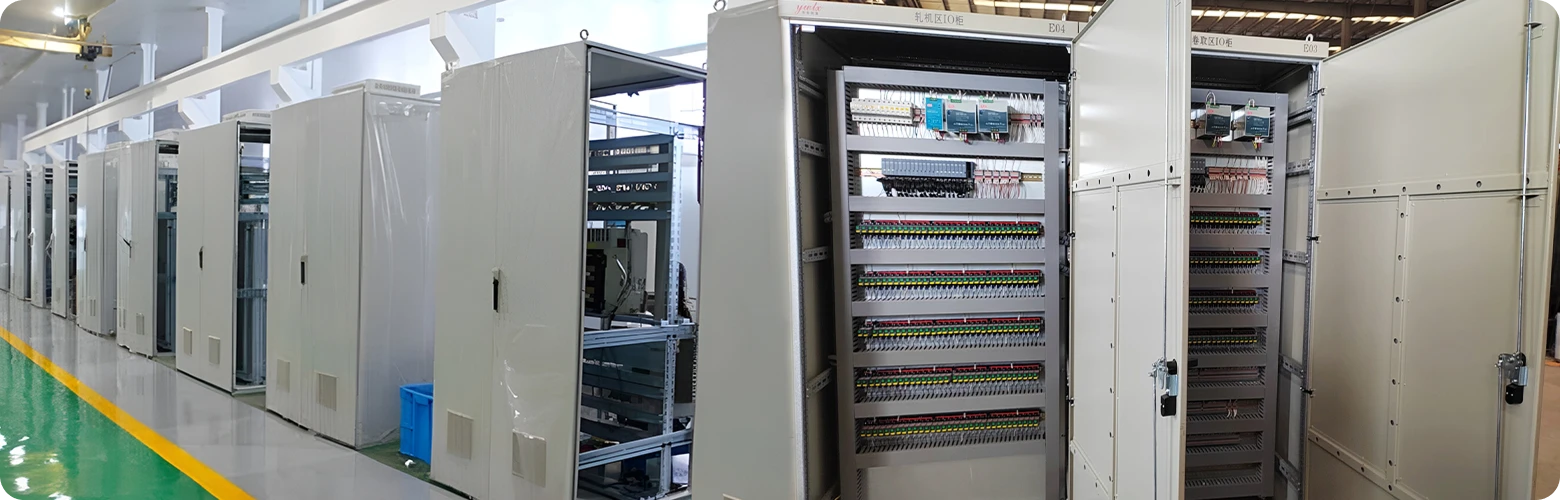
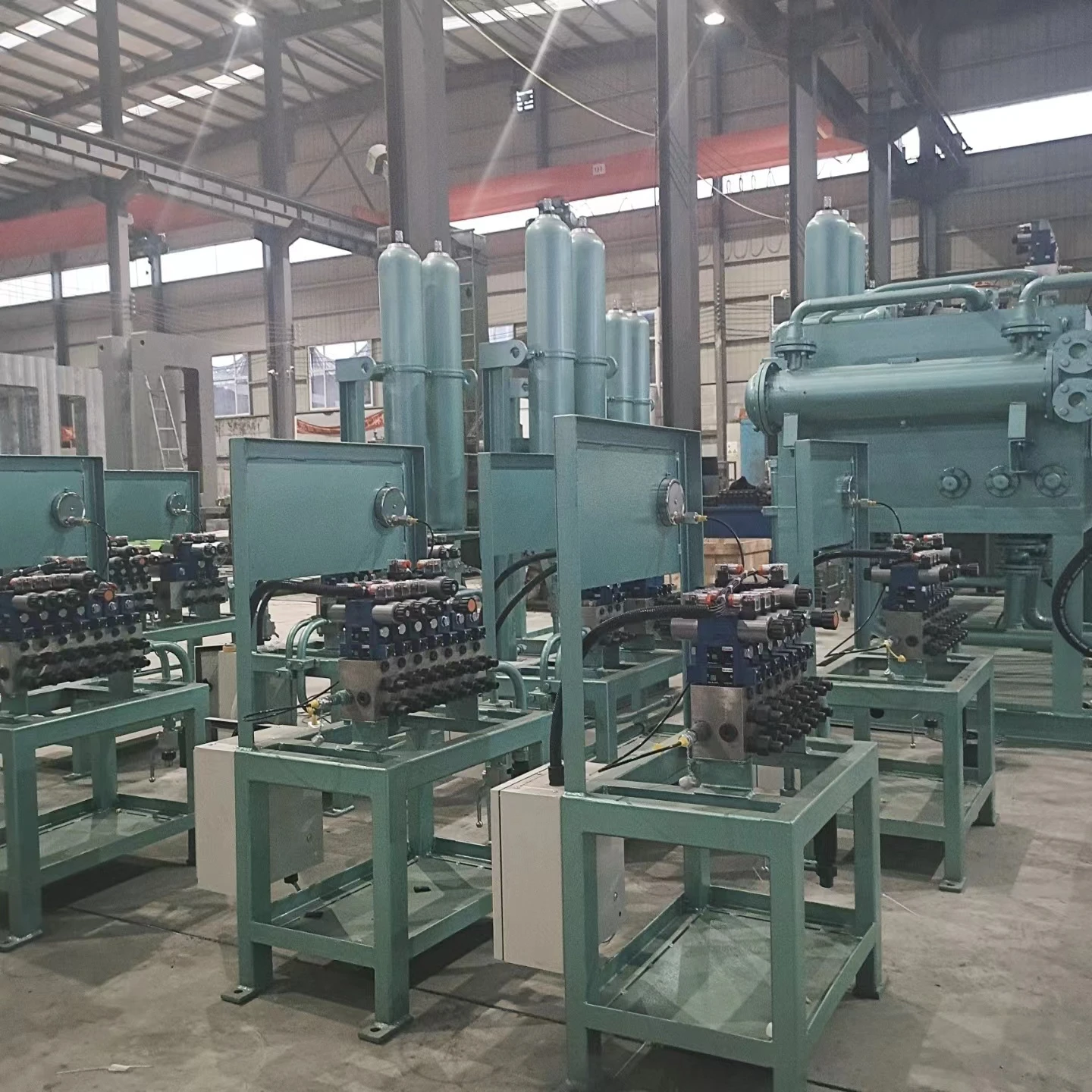
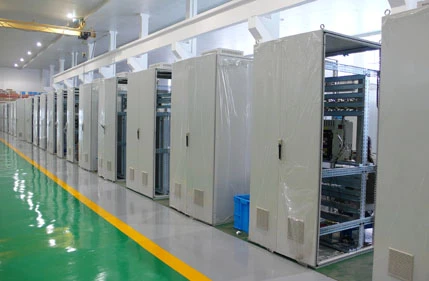
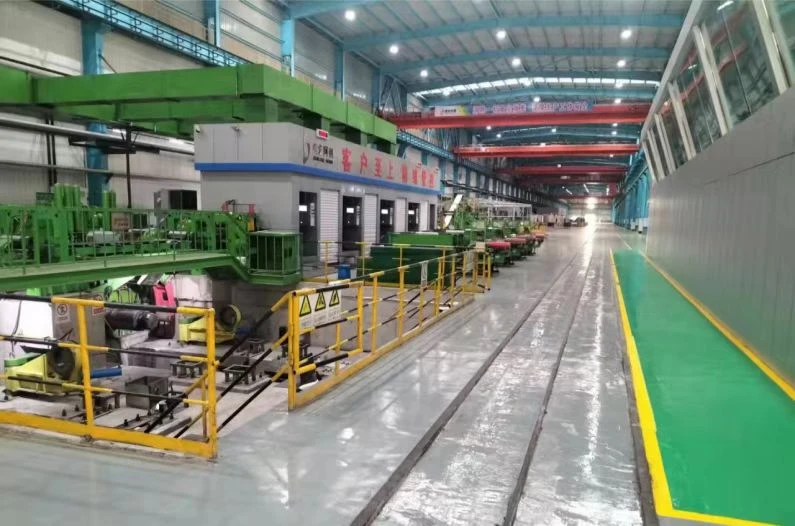
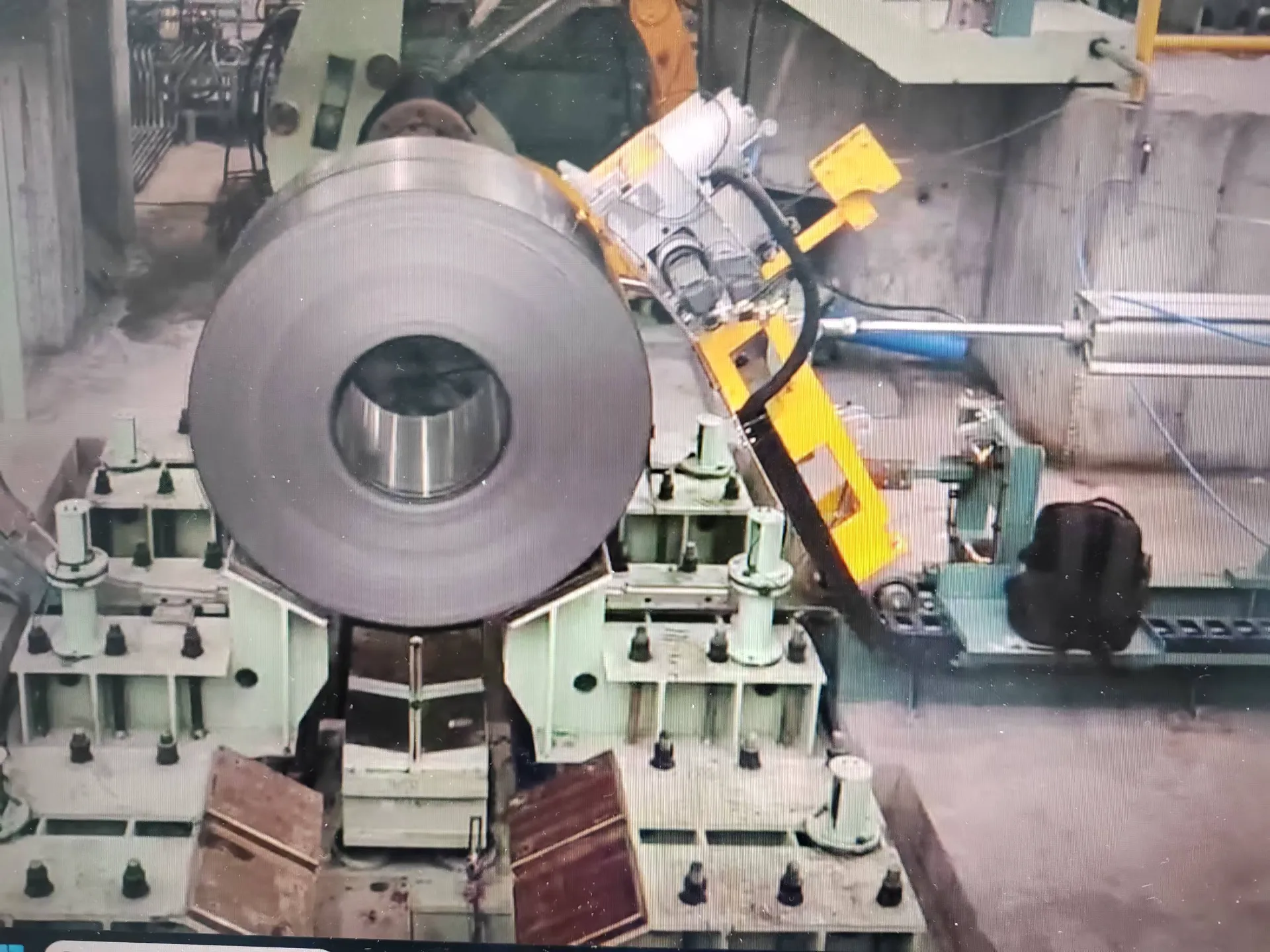
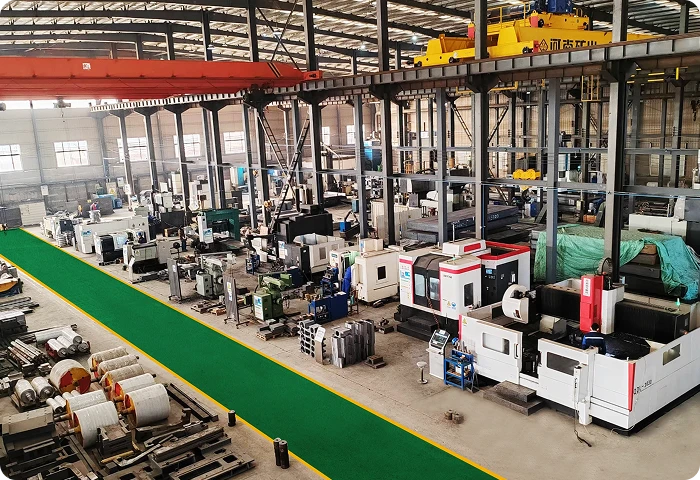
Yang Wang Li Xin operates a state-of-the-art facility over 66,000 square meters,and our manufacturing facility is fully equipped with high-tech machinery and high-capacity cranes. This enables us to handle large work pieces measuring 4.5m in width, 10m in length, and 1.5m in height, guaranteeing our capacity to produce 1800mm skin-pass mills and 1450mm rolling mills. The individual piece can weigh up to 100 tons.

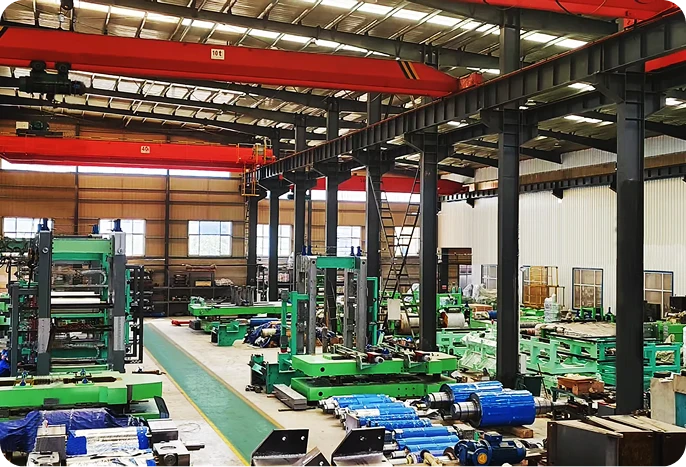

Quality is fundamental to the enterprise survival. We have established a comprehensive and meticulous quality management system and have successfully obtained ISO14000 certification. Starting from the design source, it supervises the entire production cycle, including design, procurement, processing, assembly, in-factory testing, installation, and online commissioning. The workshop is equipped with measuring tools like vernier calipers, spectrometers, hardness testers, and ultrasonic flaw detectors. They are used to check materials and control tolerances to ensure the final equipment meets or exceeds requirements. All products have a unique code, This enables the easy identification and traceability of the equipment components and ensures full control of quality.


-
 Future Trends in Hot Rolling Mill TechnologyThe hot rolling mill continues to evolve as steel producers seek competitive advantages through technological innovation. Emerging developments in hot rolling machine design and operation promise to further enhance productivity, quality capability, and environmental performance. These advancements will reinforce the hot steel rolling mill 's central position in the steel industry value chain for d
 -
 processo di laminazione a freddoCold Rolling Process An In-Depth Look Cold rolling is a critical manufacturing process widely utilized in various industries to create materials with specific properties and dimensions. This process involves the deformation of metal at room temperature, which distinguishes it from hot rolling, where the metal is heated above its recrystallization temperature. Cold rolling not only enhances the mec
 -
 wire rod block millThe wire rod block mill is an essential component in the world of industrial steel production, serving as a critical point of conversion where raw steel is transformed into wire rod. Leveraging years of expertise and insights from industry professionals, this article delves into the pivotal role and the exceptional technological advancements that wire rod block mills offer, enhancing both producti


